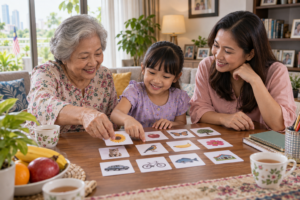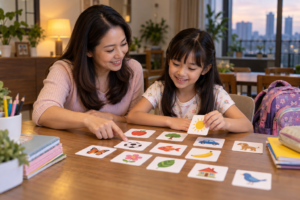
best exercises for brain health is a search phrase I would rather translate into ordinary Malaysian family routines. On July 31, 2026, I thought about an anonymized Klang Valley story I will call Mrs Tan and her Form 1 daughter, “Xin Yi”. The family still used old exam words like UPSR and PT3 when describing pressure, but the real worry was school assessments now and SPM later.
This article was written with the assistance of an AI writing program to help organize information clearly. This image was created using an AI image creation program. At Genius Mind Academy, I protect children by using anonymized composite scenes from recurring classroom patterns and public parent feedback themes on the parent testimonials, the student testimonials, and the memoHACK trial class. The goal is not medical advice; it is practical learning support for focus, memory, comprehension, confidence, and habits.
Best Exercises for Brain Health: 7 Gentle Routines for Malaysian Kids
When parents ask for the best exercises for brain health, I avoid turning the answer into a harsh training schedule. Children need movement, sleep, recall, language practice, and emotional safety. The WHO physical activity guidance notes that activity supports children’s cognitive development, the CDC sleep guidance connects sleep with attention and memory, and the Education Endowment Foundation metacognition guidance, Retrieval Practice learning guide, and the Harvard Center guide to executive function all support routines where children plan, retrieve, explain, and monitor their learning.
I learned this with children like Xin Yi because I used to make homework too still. I would ask a tired child to sit longer, read again, and write faster. That often made the child shut down. Now I prefer short exercises that ask the body and mind to work together, especially after a long school day and traffic-heavy evening in Malaysia.
1. Start with a two-minute movement reset
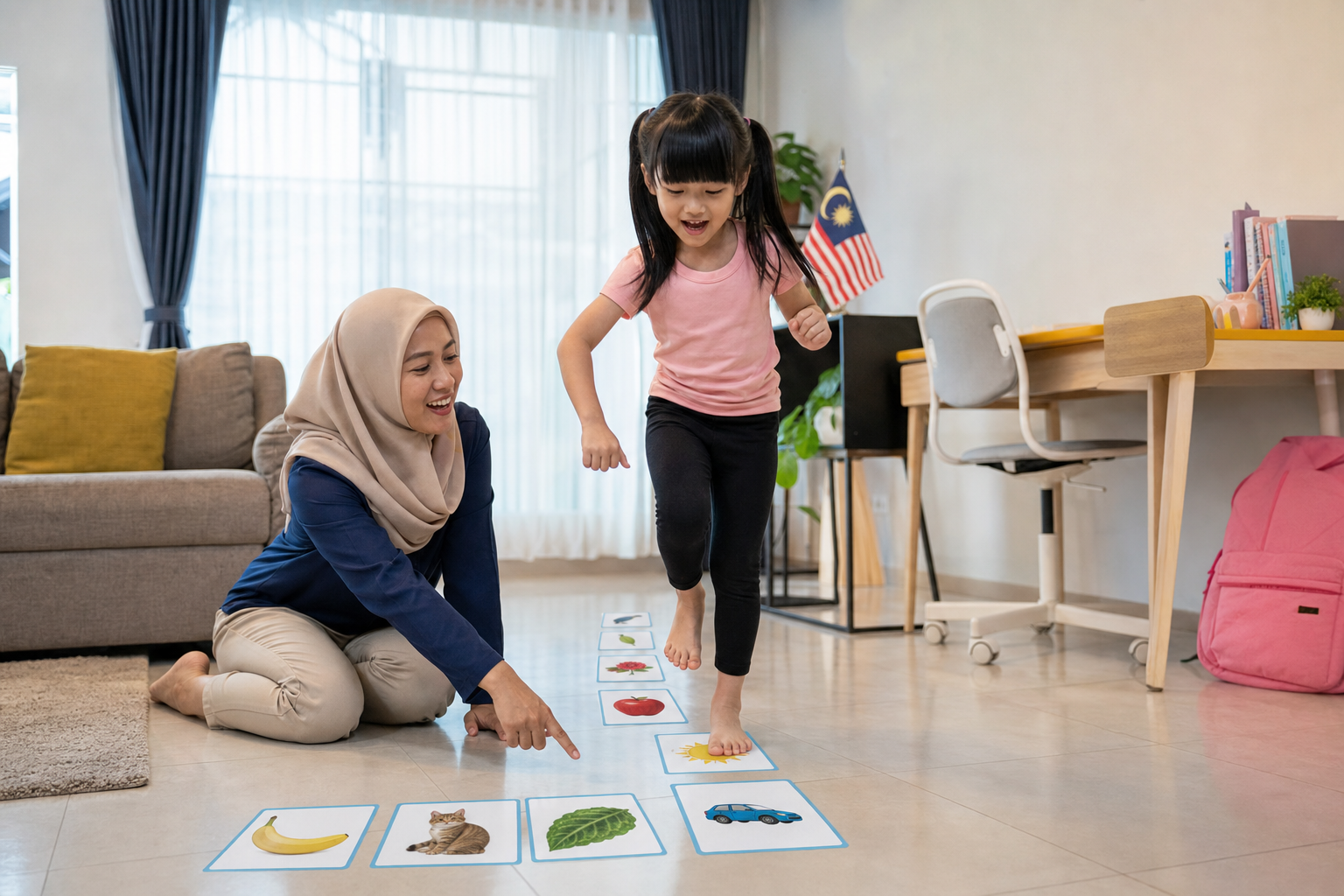
Before comprehension work, ask the child to stand, stretch, clap a rhythm, or walk a short card path. This is not play to avoid study. It is a reset before study. Mrs Tan noticed Xin Yi began with less resistance when the first task was movement, not another correction.
2. Create a picture-card recall path
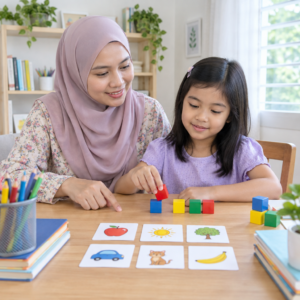
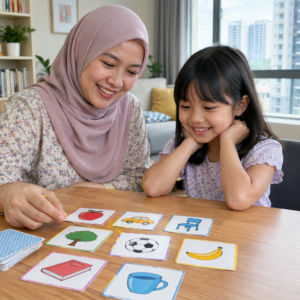
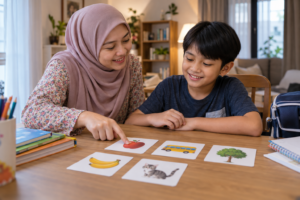
Lay five picture cards on the floor: banana, car, leaf, sun, and cat. The child walks the path, names each card, turns away, then names them again in order. This simple routine is one of the best exercises for brain health for families because it combines attention, sequencing, body movement, and recall without a worksheet.
3. Turn reading into explain-back
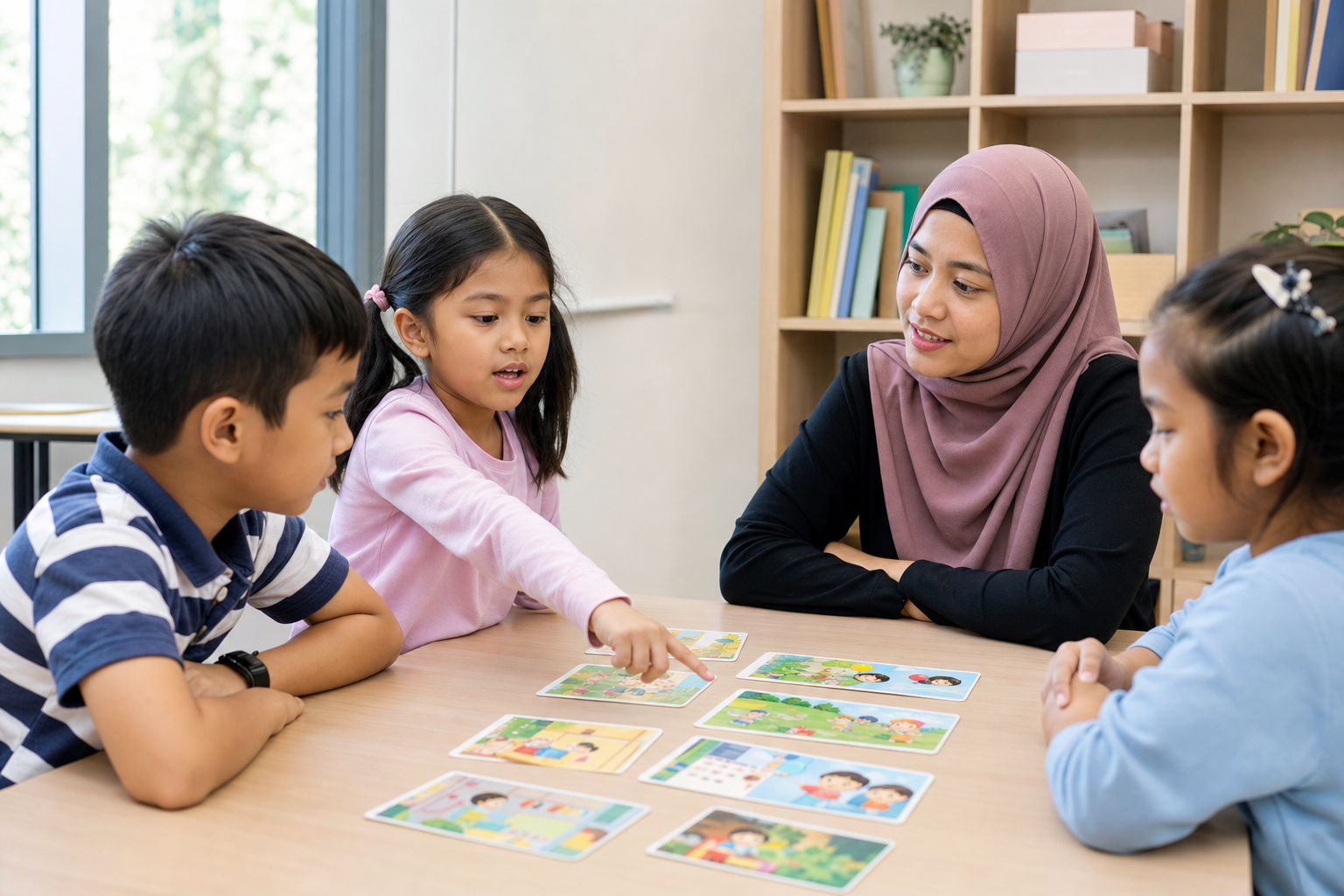
After a short passage, close the book and ask, “Tell me the three most important points.” Then ask, “How did you know?” This second question matters. It helps the child notice whether she used a picture, a first word, a story order, or a personal connection. That is where confidence grows.
4. Use story sequencing for bilingual comprehension
Many Malaysian children think across languages. Xin Yi could explain a story in Mandarin first, then shape it in English. For Malay writing, we kept the same story order and changed the sentence structure. The exercise respected her thinking before asking for school accuracy.
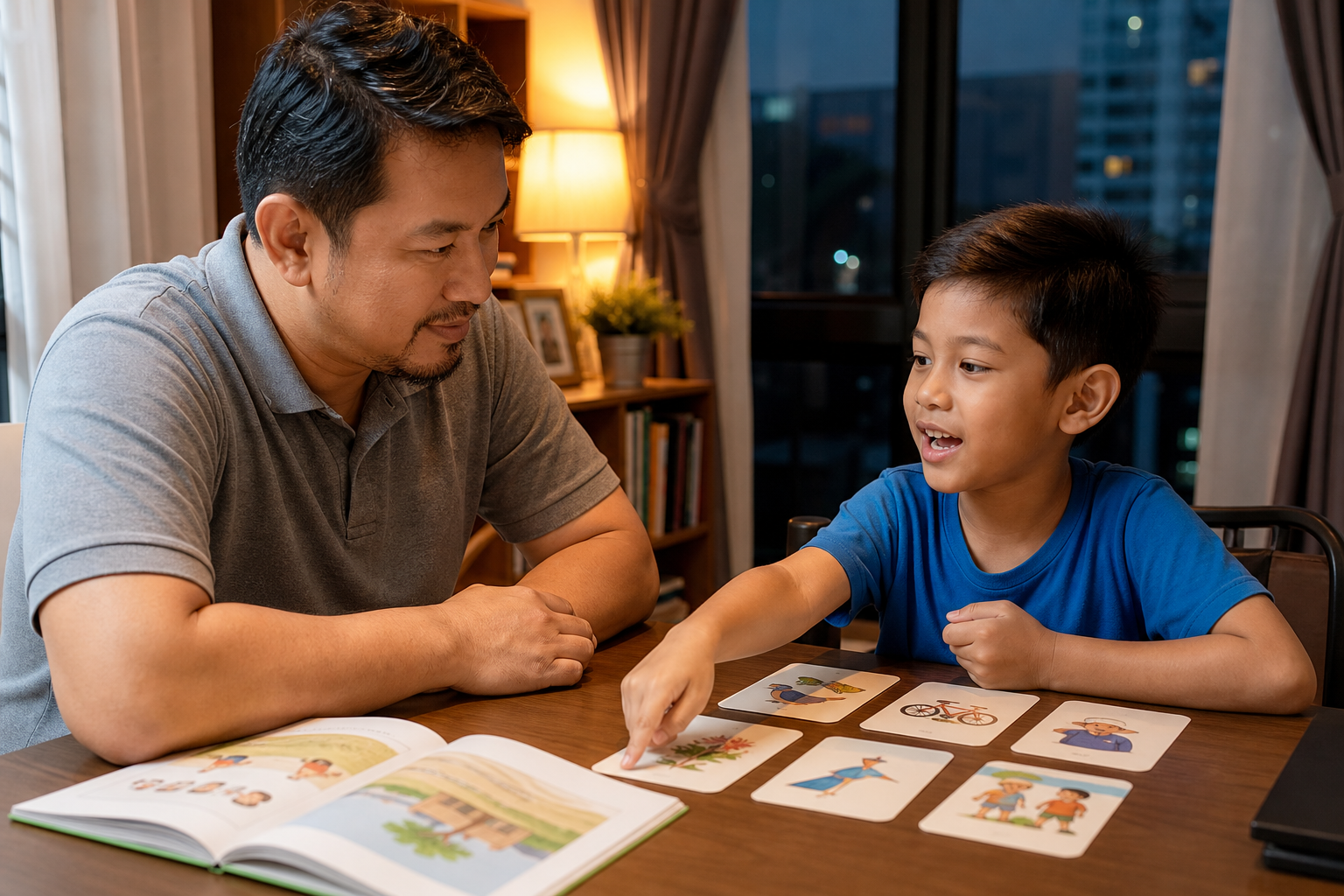
5. Mix movement with memory, not punishment
Some children hear “exercise” and expect punishment. I keep it light: step to the card, say the word, turn, recall, smile, repeat. If the child forgets, we give a clue. The point is to practise coming back to the task, not to make the child feel weak.
6. Add sleep and screen boundaries
The best exercises for brain health will not feel useful if the child is sleeping too late most nights. I ask parents to move screens earlier, prepare school bags before bedtime, and protect a calmer wind-down routine. Sleep is not separate from learning; it shapes the child’s ability to pay attention the next day.
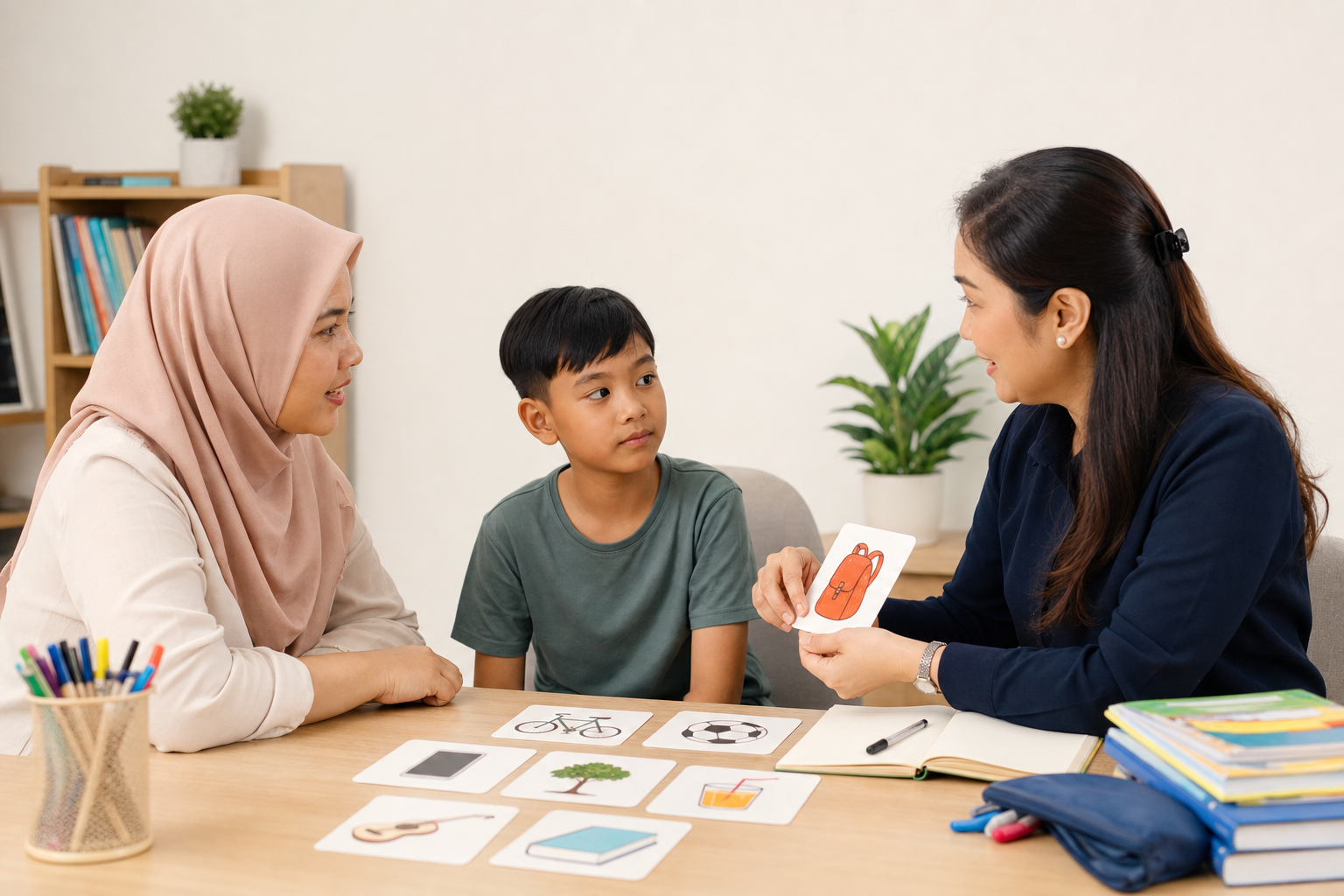
7. Review the routine, not the child
At the end of the week, Mrs Tan did not ask, “Why are you still forgetful?” She asked, “Which routine helped you most?” Xin Yi chose the picture-card path because it felt like movement, not scolding. Families who want structured help can visit Genius Mind Academy’s learning approach, the Brain Activation Class, our memory exercises guide, and the memory and focus article. If you are searching for the best exercises for brain health, start with one gentle routine and contact Genius Mind Academy through the contact page for support that fits your child’s real school week.